


HID Install (McCulloch)


Senior Member


SL Member
Scinergy
Joined: Oct 2004
Posts: 101
From: SoCal

I've used this kit on 4 cars now for a very long time and it hasn't burned the wiring. Isn't the wattage of these less than stock halogen bulbs? like 35w compared to 55w.... no problems... only thing is McCulloch is known to be a horrible brand for HIDs... but out of the 4 sets only one has gone out in 2 years

Thread Starter
Senior Member

SL Member
Joined: May 2004
Posts: 1,899
From: Palm Bay, Florida
Originally Posted by VW2SCION
Isn't the wattage of these less than stock halogen bulbs? like 35w compared to 55w.... no problems...

Senior Member
SL Member
Joined: Dec 2004
Posts: 1,227
From: Bay Area, CA
yes, after its starts up it runs at 35w. but the start up process where you see the lights flicket draws much more current than 35w...thats where it kills your wiring...if it always runs at 35 then it wouldn't be a problem. after spending $250 for a set of lights, its foolish not to spend $15 for cheap insurance.

Senior Member
SL Member
Joined: May 2005
Posts: 637
From: Maryland
just look at this way it will be one less thing you have to worry about if something electrical goes wrong . just this saturday one of the ballasts i had for my angel eyes got water inside and shorted out and started drawing extra current from my battery. if i used a stock harness i would have damaged the stock harness but instead it fried the ballast and tripped a fuse in the harness i made.


Senior Member
SL Member
Joined: Feb 2005
Posts: 371
i got a hella kit 2 weeks ago.. running the rebased D2R OEM 4100K temp bulbs.. i ended up mounting the ballast's inside the wheel well.. inside the fender apron.. i took pics if anyone is interested... basically.. i used 2 rows, of 3 layers each of heavey duty 3M double sided tape.. once you remove the wheel well cover / apron.. on the passenger side there is a spot right next to the washer fluid tank... and then on the driver side there is a spot next by the battery tray... again.. this is inside the fender.. the fender well covers is not that hard to take off...
trying to mount the ballast's anywhere under the hood is a pain.. no real place to put it.. so this was the cleanest way i could think of ... and if i do say so myself, looks pretty factory...
trying to mount the ballast's anywhere under the hood is a pain.. no real place to put it.. so this was the cleanest way i could think of ... and if i do say so myself, looks pretty factory...
Senior Member
SL Member
Joined: Dec 2004
Posts: 1,227
From: Bay Area, CA
Originally Posted by R2D2
I see the light!!!!
Now the question where the **** did u'all mount those things to hidem (@ the same time keepem safe from harms way)?
Now the question where the **** did u'all mount those things to hidem (@ the same time keepem safe from harms way)?

Senior Member
SL Member
Team ScioNRG
Joined: May 2005
Posts: 790
From: Quincy, MA
Originally Posted by maximus96
Originally Posted by R2D2
I see the light!!!!
Now the question where the **** did u'all mount those things to hidem (@ the same time keepem safe from harms way)?
Now the question where the **** did u'all mount those things to hidem (@ the same time keepem safe from harms way)?
Senior Member
SL Member
Joined: Dec 2004
Posts: 1,227
From: Bay Area, CA
CREDIT GOES TO OCELARIS FROM HIDPLANET
HERE'S HIS LINK http://www.hidplanet.com/forums/viewtopic.php?t=6612
HERE'S HIS LINK http://www.hidplanet.com/forums/viewtopic.php?t=6612
Originally Posted by Ocelaris
Crimpless - Solder joints are a much better connection, acts like a solid piece of wire.
Heatshrink - your best friend for a watertight seal - electrical tape is ok, use it liberally. Heatshrink is also necessary for mechanically stabilizing solder joints. For example when you don't have a proprietary connector; solder wires on, and then heatshrink 4 layers or more on and around the plug so that when the wires are yanked, they pull on the plastic heat shrink tubing not the solder joints.
Relay sockets - so you can replace your relays if they die and the user can actually do it themselves. female 1/4" spade clips are ok, but if you unhook them from the relay, you lose what wire goes where.
No diodes! - unless you are using them for a specific purpose like passing power/ground to low beams from high beams in order to keep lows on while hitting your highs... IMO they are unnecessary. A relay socket replaces the need for a diode across the coil. If Bosch wanted diodes on their relays, they would have specified them. Replace the relay if it dies, don't alter your wiring to possibly extend the life of the relay.
Split loom - makes a nice clean finished appearence the higher the temperature rating, the better.
Silicone sealed relay sockets - to seal out moisture
Wire - 14 gauge is about as large a gauge as I personally would use. 16 gauge is also fine for lengths < 6 feet.
OEM male connectors - to attach to stock wiring to get your "triggers" for your relays. SUVLights or Rallylights has them for ~6-8$ a piece. Or you can cut off a bulb, solder wires on, and use heat shrink tubing to mechanically stabilize the socket. see heat shrink tubing.
Hints
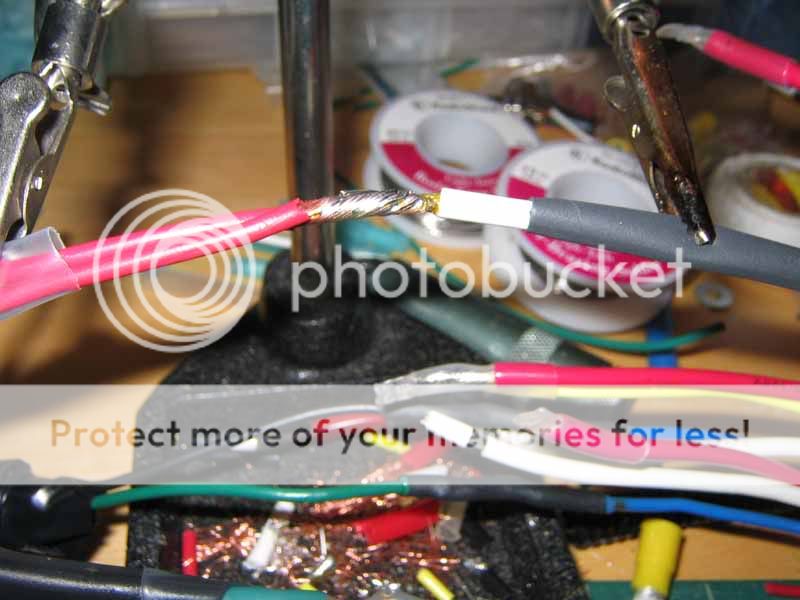
A Butane torch is VERY useful for large solder joints of 3+ wires. Good joints should have the solder flow into the wire so it looks like a wrinkled rasin, not a ripe one!
Some heatshrink tubing is rated at it's final shrink size, and some is rated at it's before shrunk size. There is 2:1 shrink or 3:1 shrink, also there is a dual wall kind where the inner layer melts, oozing out, creating a water proof joint.
Radio shack heatshrink tubing sucks, don't write it off if you've had bad experiences with it.
Helping hands are a necessity.
Quick strip tools work great:

Start with a Messy Table
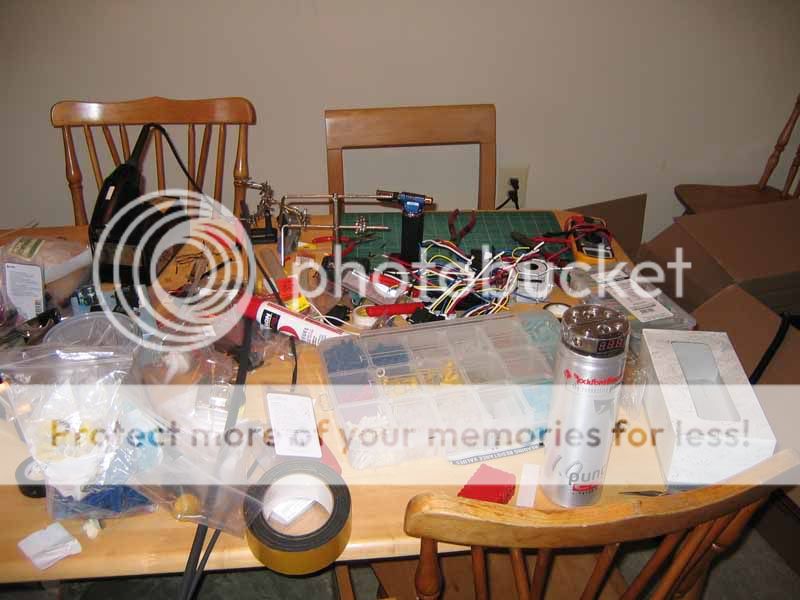
Get LOTS of wire
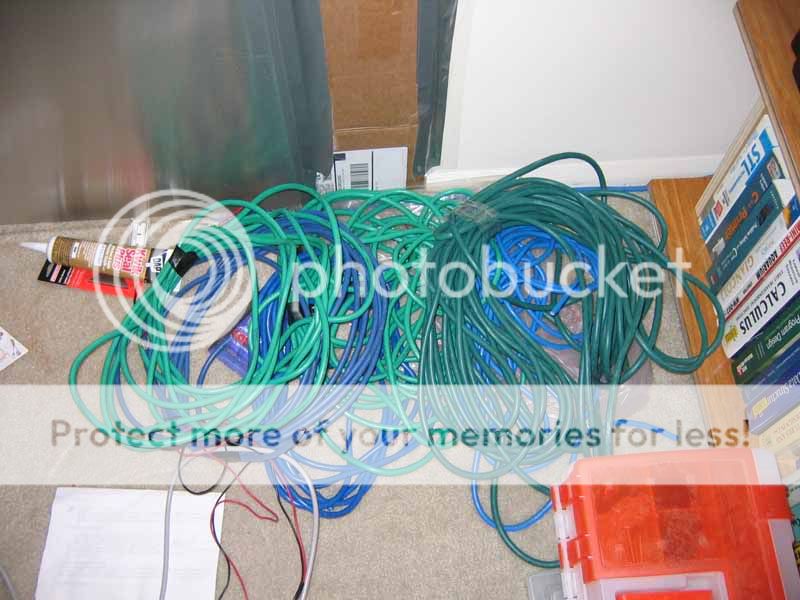
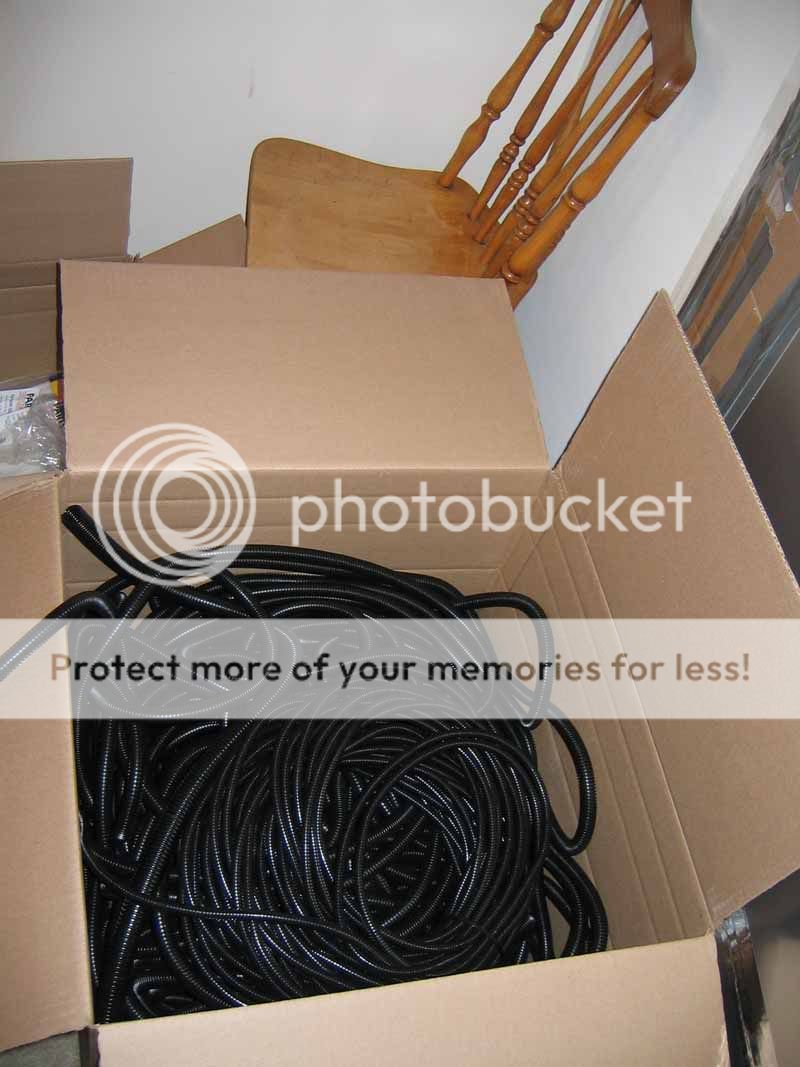
Box of Split Loom
Tons of Cable Ties

250$ for 30 connectors!!! YIKES!
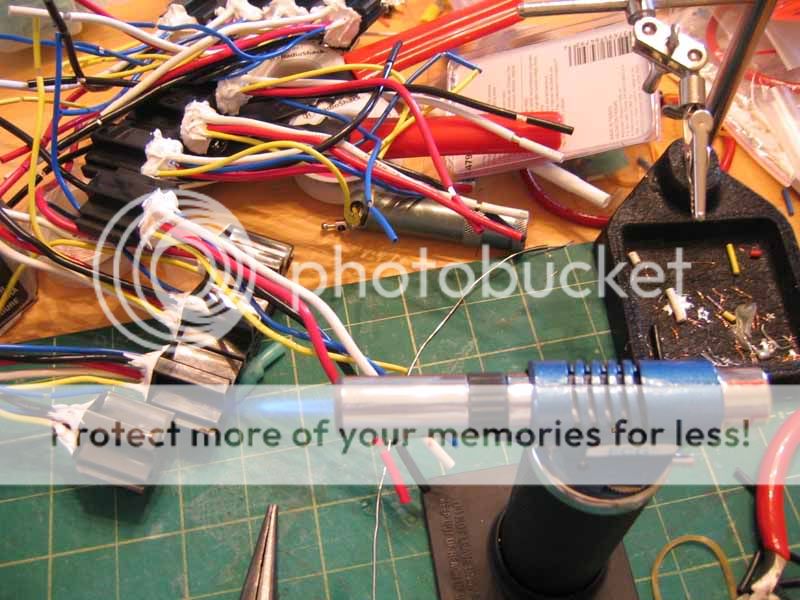
Nice little butane torch for heatshrinking
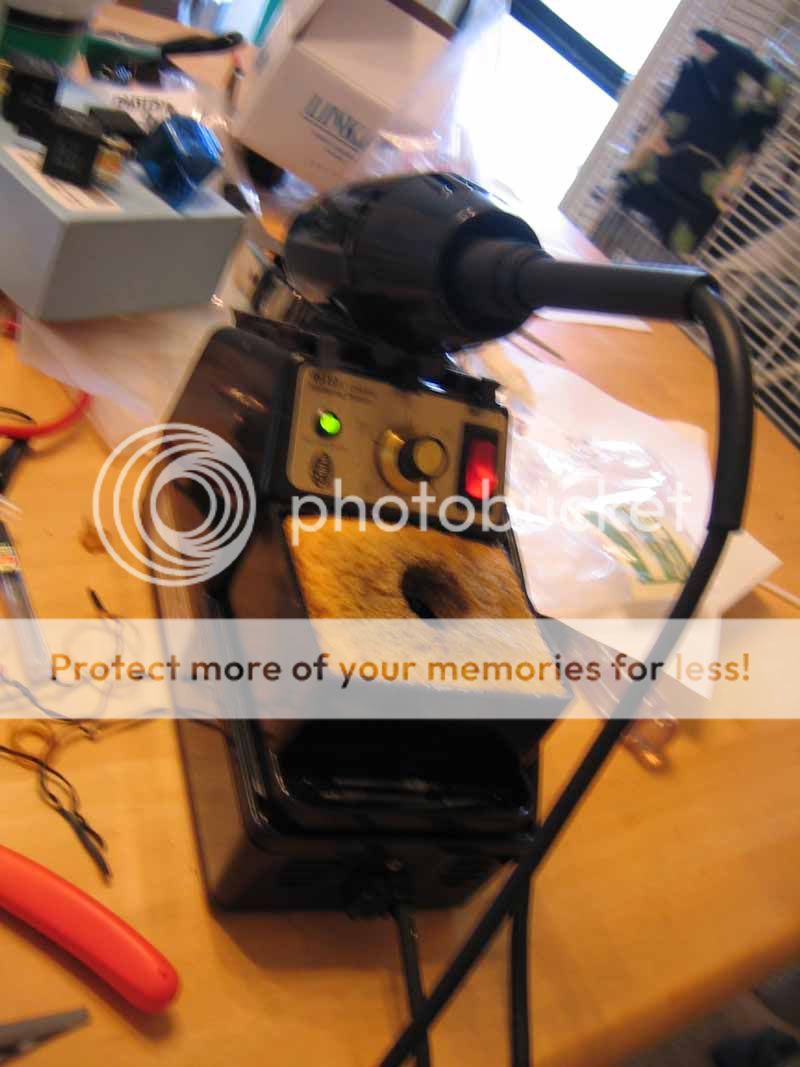
Soldering Station
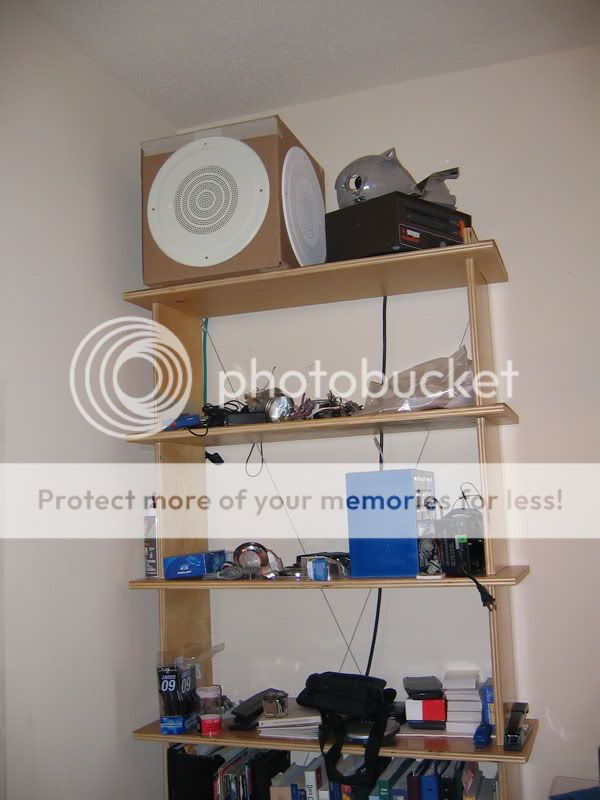
A few tunes via ghetto rigged whole house music... there are 6 sets of speakers throughout the apartment :-0
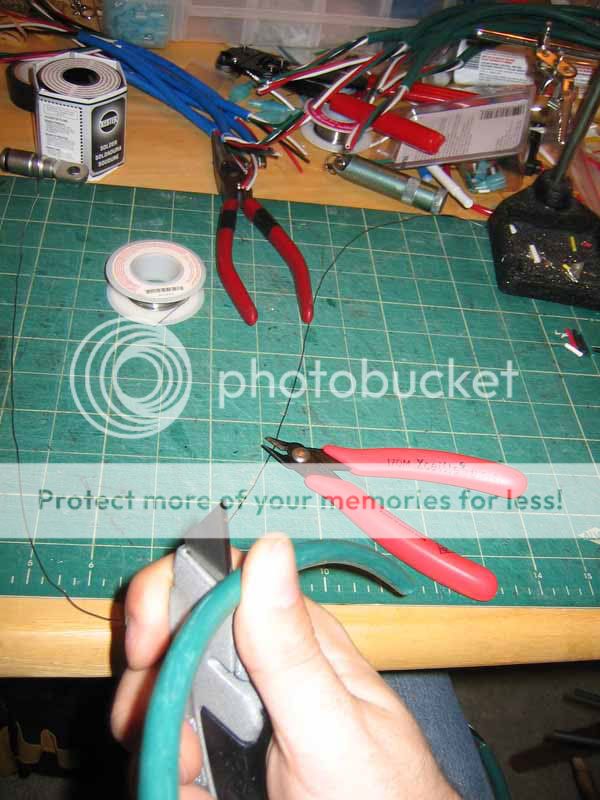
Strip back outter Jacket:
Good solder joints
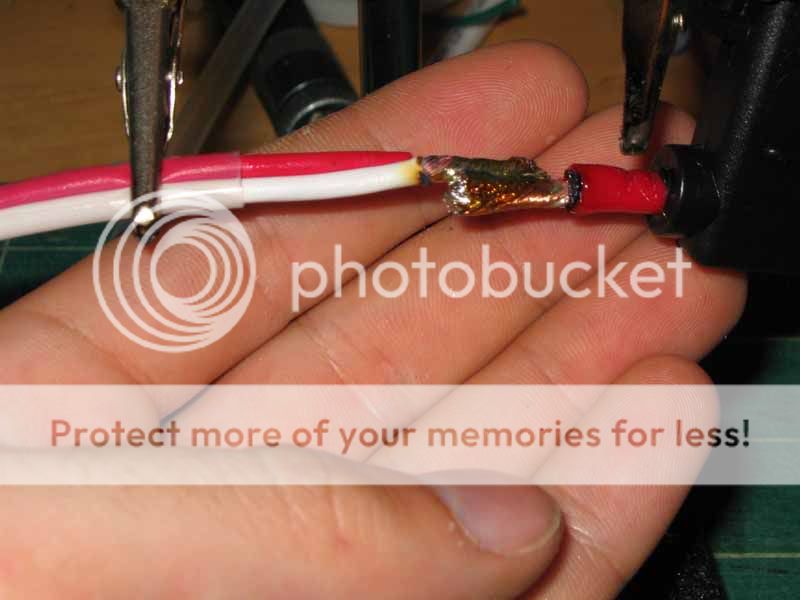
Torchin some heatshrink
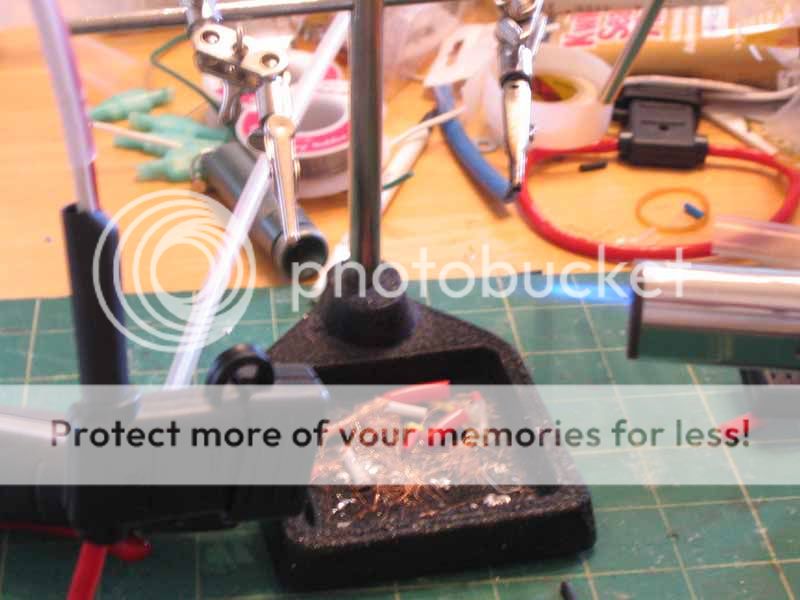
Every joint gets heatshrink
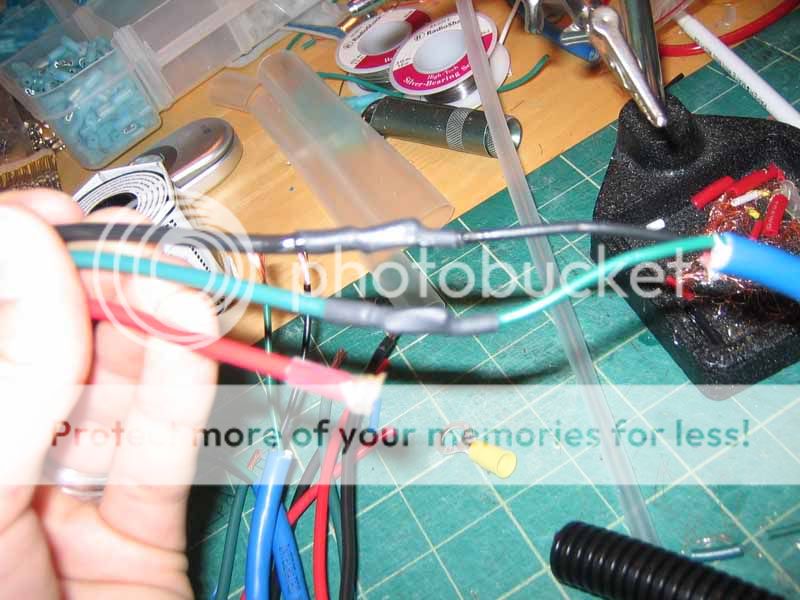
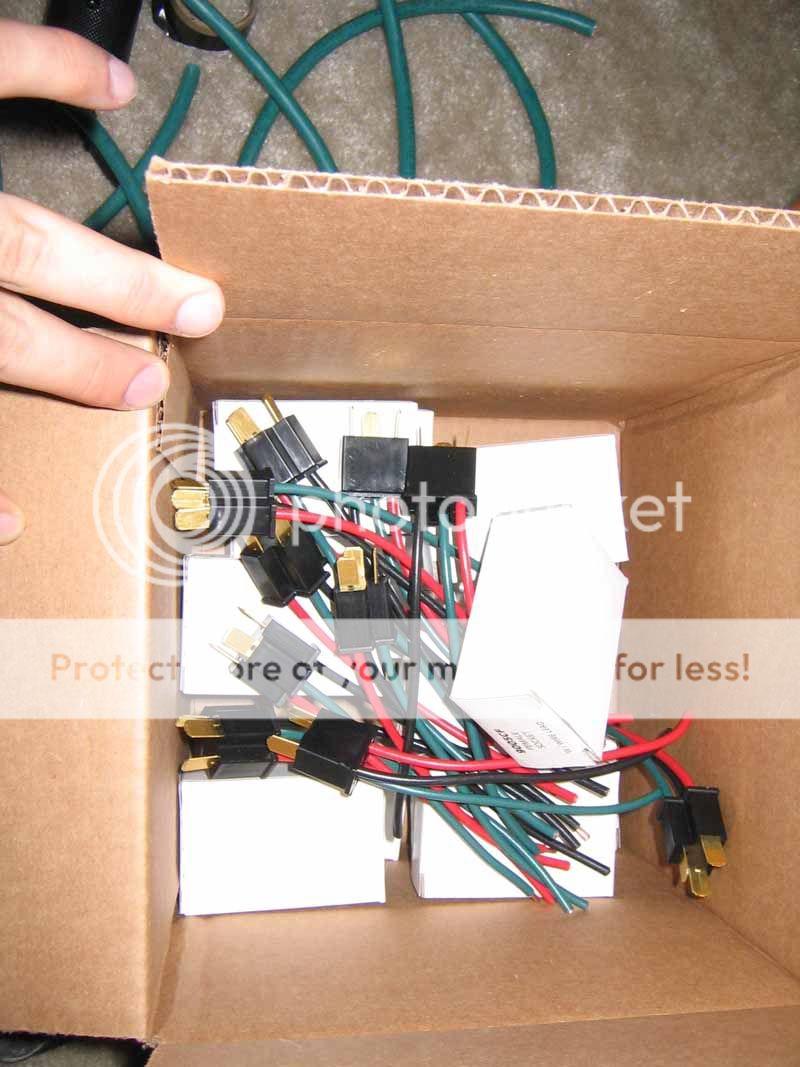
Lots of connectors
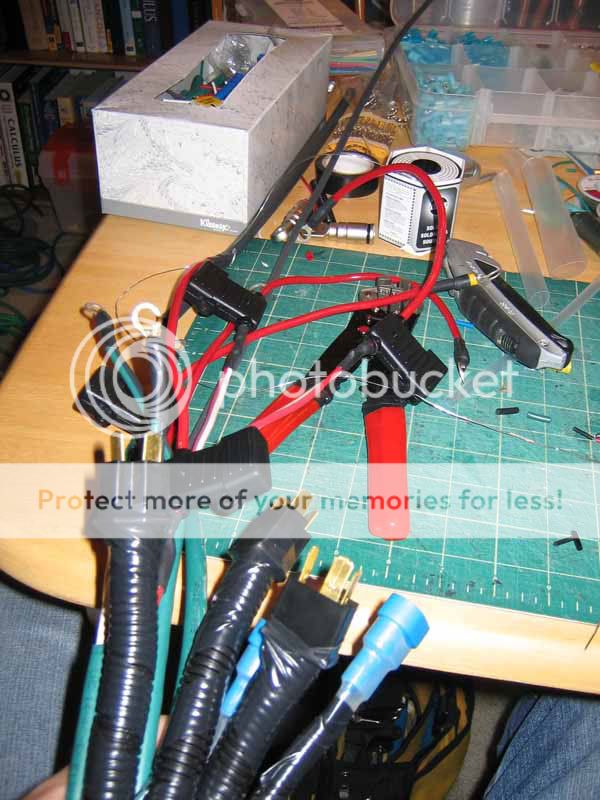
You can see this heatshrink tubing has an inner layer which melts, and oozes out to make a water tight seal. This is the good $hit
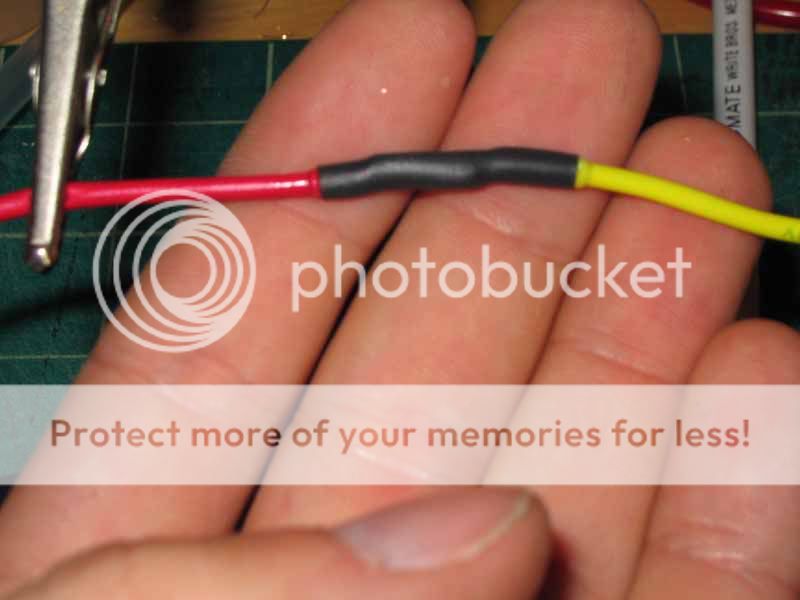
Unused wires get terminated

Battery Terminal:
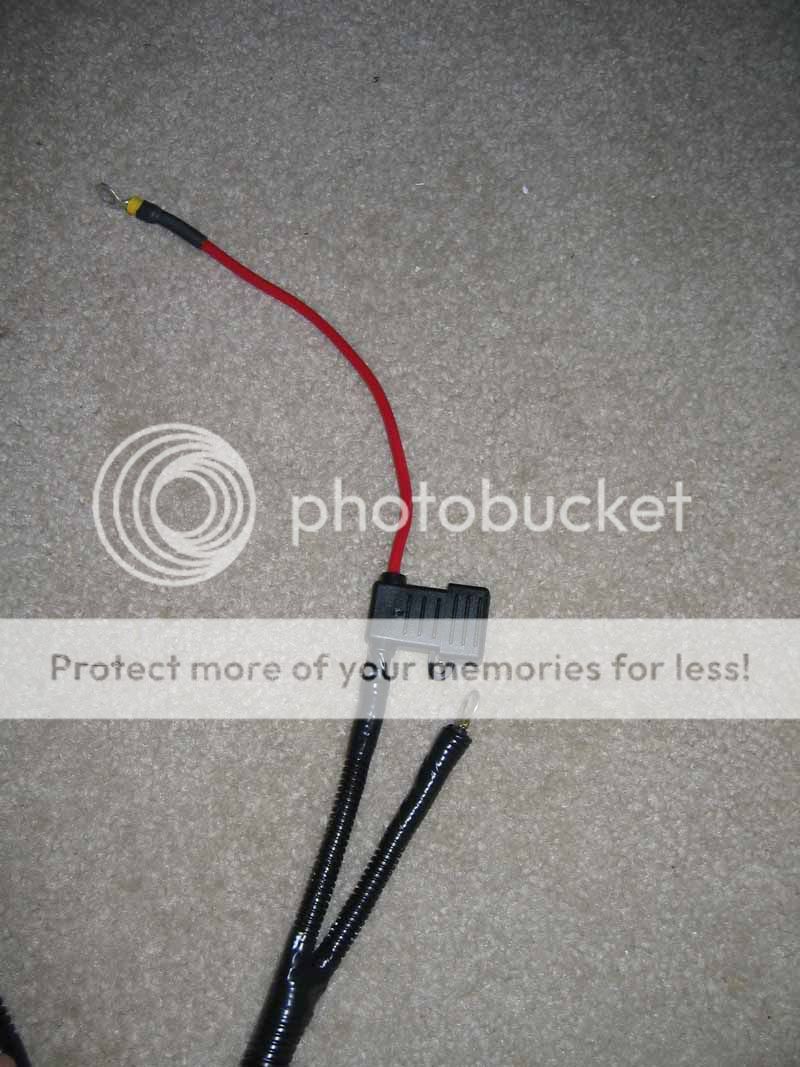
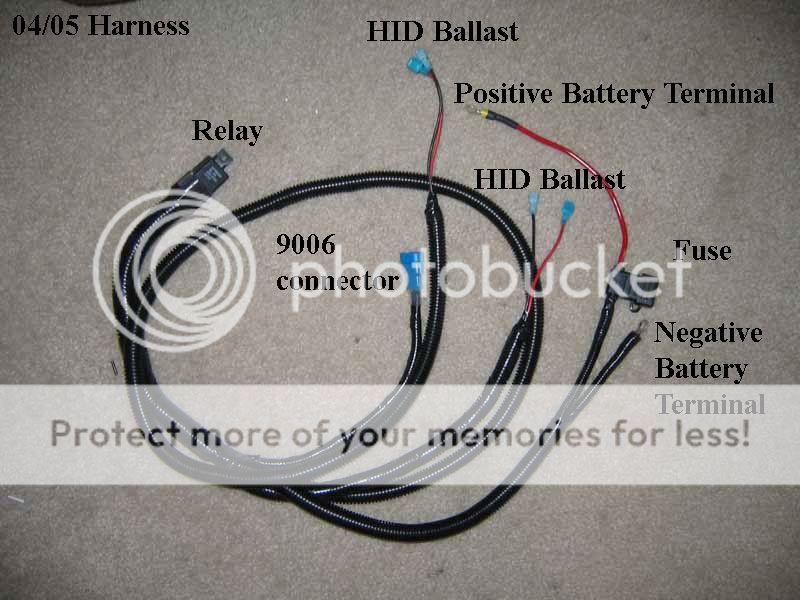
Final Product 9006 for 04/05 harness:
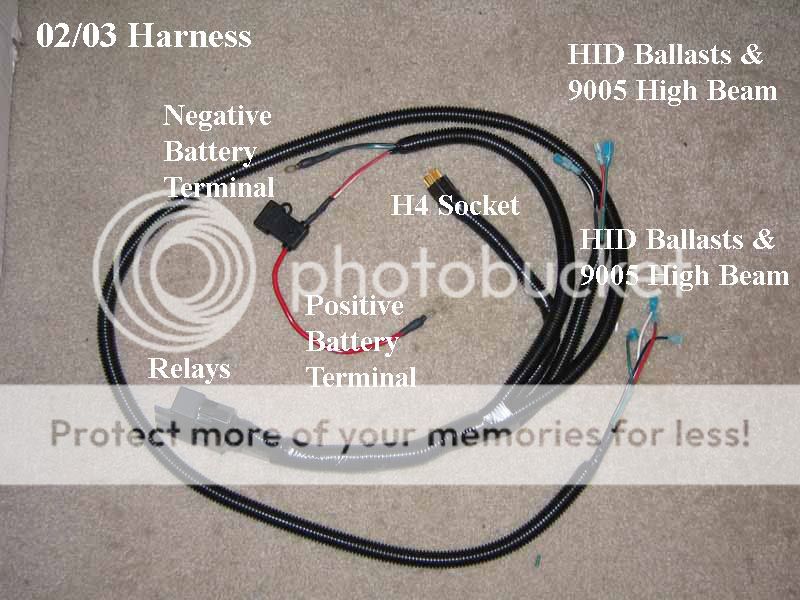
Final Product for H4 02/03 harness:
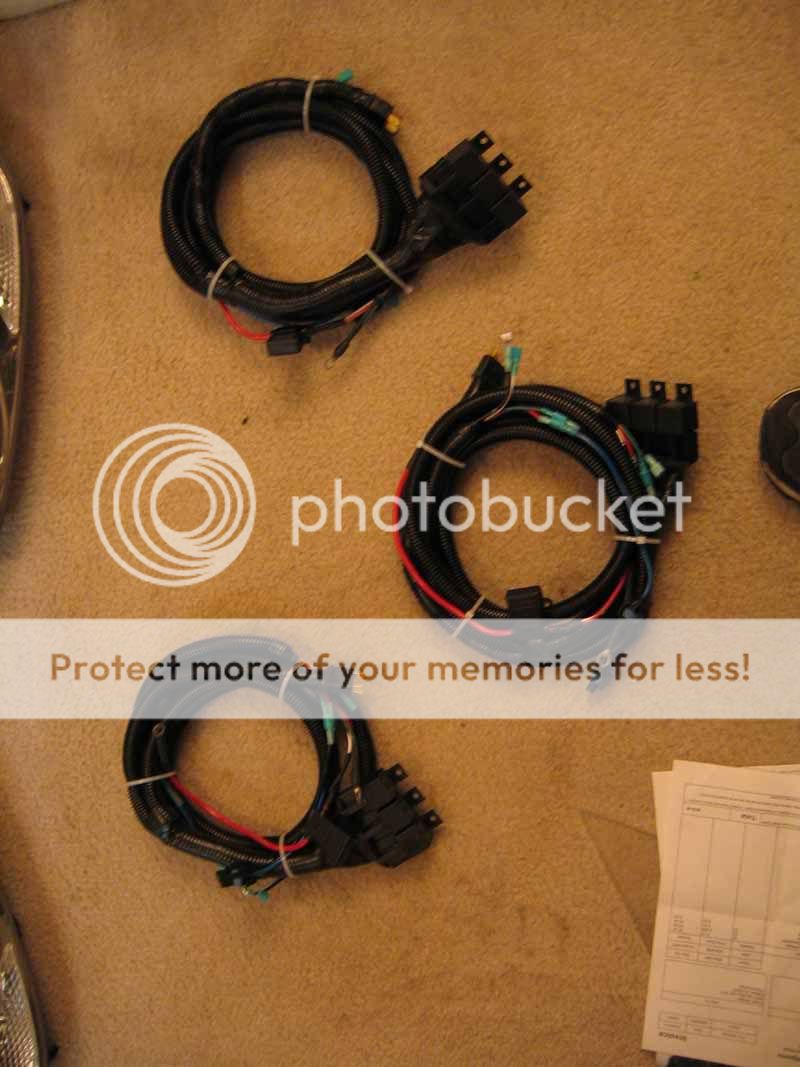
3 completed 02/03 harnesses for ECU EP, TrafficJamsEp, and Psylovibe
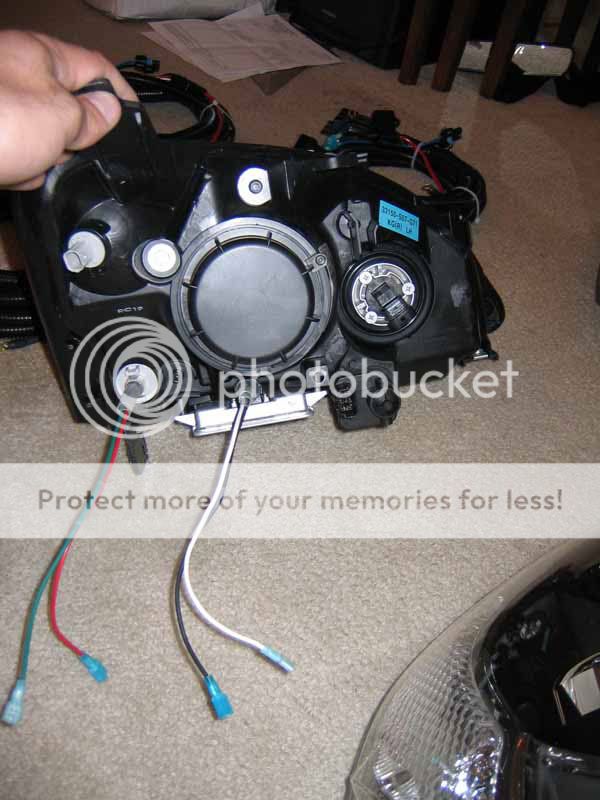
Back of Headlights, quick disconnects soldered and mechanically isolated with 5 layers of heatshrink tubing.
Some cool gratuitious shots of some lovely lights:
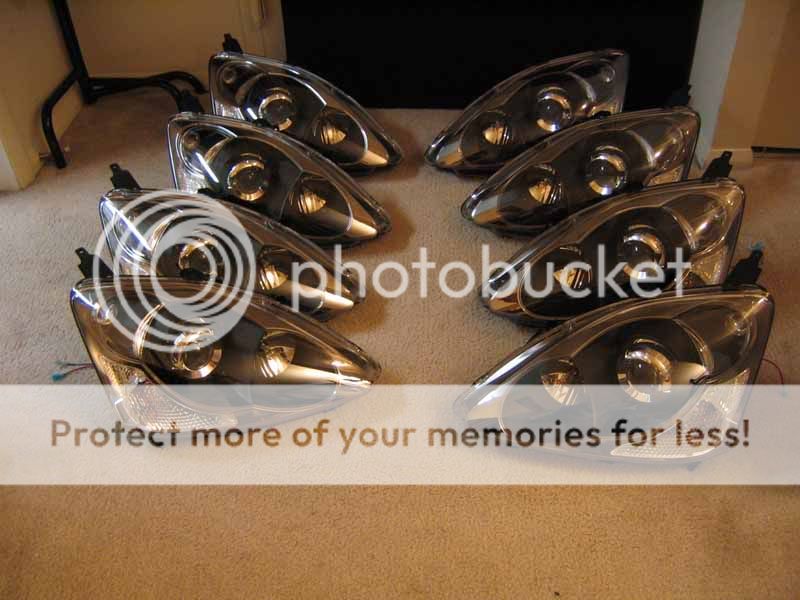
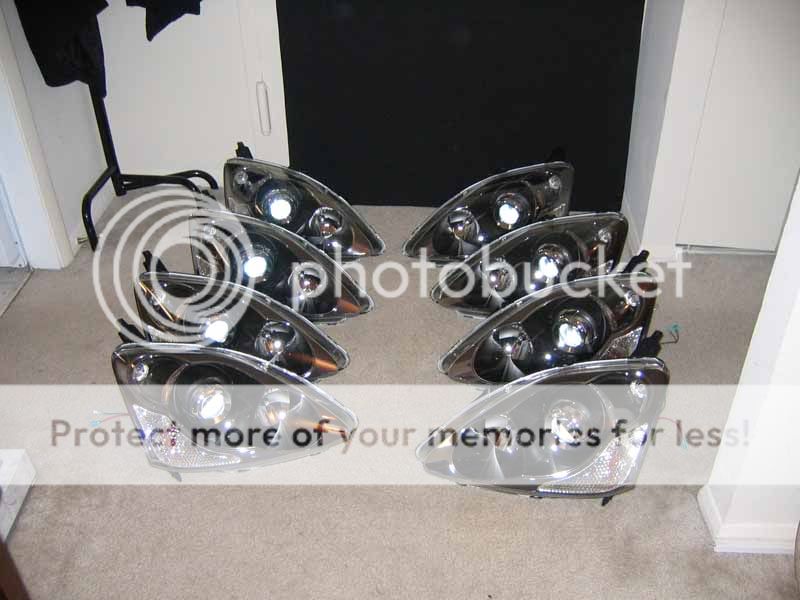
Fin
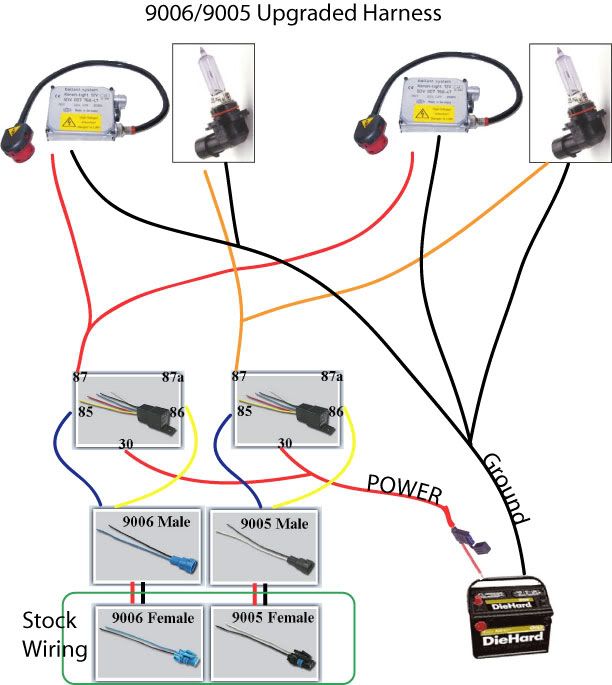
*Update, some diagrams*
9006/9005/H1/H7 or any 2 pin bulb Upgraded Harness:
H4 to 9005/9006 (dual filament bulb to 2x single filament bulbs)
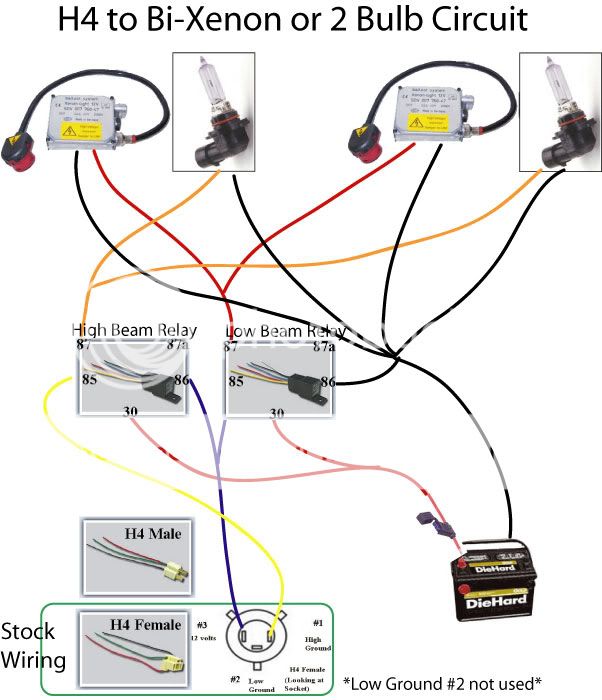
H4 Single Low beam HID Setup:
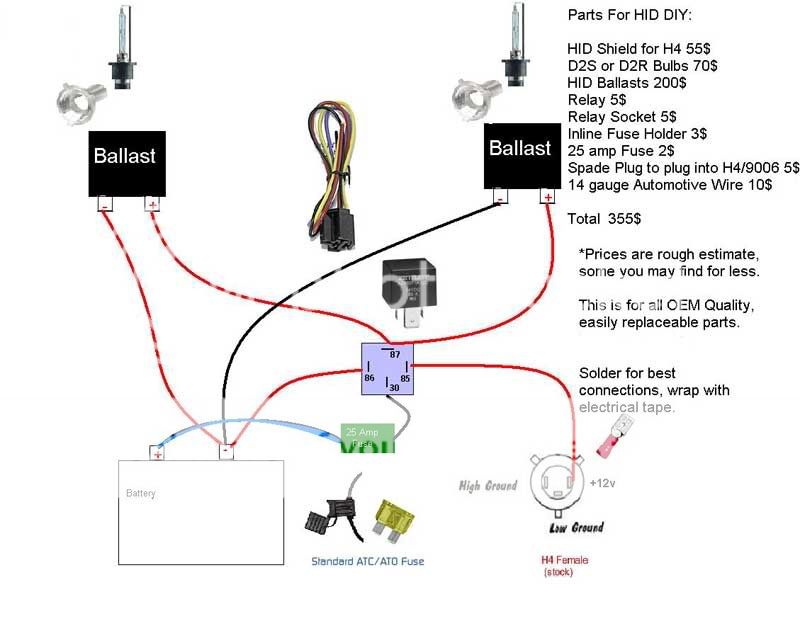
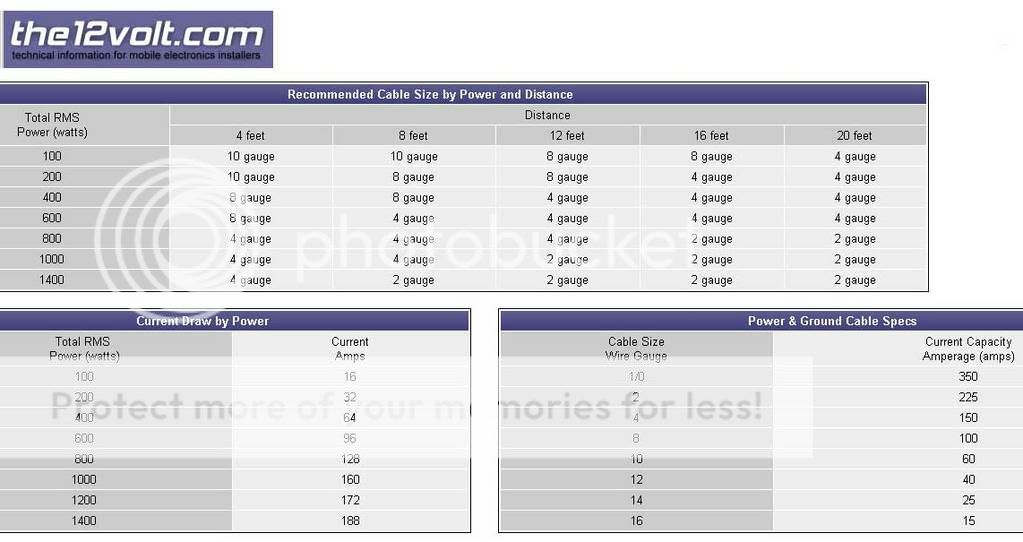
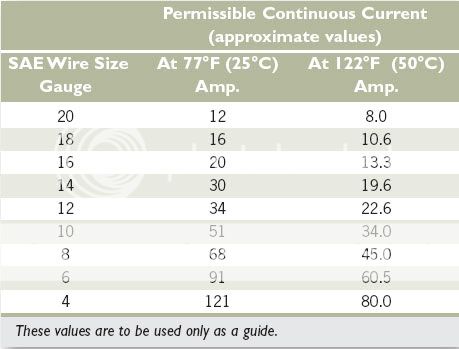
Heatshrink - your best friend for a watertight seal - electrical tape is ok, use it liberally. Heatshrink is also necessary for mechanically stabilizing solder joints. For example when you don't have a proprietary connector; solder wires on, and then heatshrink 4 layers or more on and around the plug so that when the wires are yanked, they pull on the plastic heat shrink tubing not the solder joints.
Relay sockets - so you can replace your relays if they die and the user can actually do it themselves. female 1/4" spade clips are ok, but if you unhook them from the relay, you lose what wire goes where.
No diodes! - unless you are using them for a specific purpose like passing power/ground to low beams from high beams in order to keep lows on while hitting your highs... IMO they are unnecessary. A relay socket replaces the need for a diode across the coil. If Bosch wanted diodes on their relays, they would have specified them. Replace the relay if it dies, don't alter your wiring to possibly extend the life of the relay.
Split loom - makes a nice clean finished appearence the higher the temperature rating, the better.
Silicone sealed relay sockets - to seal out moisture
Wire - 14 gauge is about as large a gauge as I personally would use. 16 gauge is also fine for lengths < 6 feet.
OEM male connectors - to attach to stock wiring to get your "triggers" for your relays. SUVLights or Rallylights has them for ~6-8$ a piece. Or you can cut off a bulb, solder wires on, and use heat shrink tubing to mechanically stabilize the socket. see heat shrink tubing.
Hints
A Butane torch is VERY useful for large solder joints of 3+ wires. Good joints should have the solder flow into the wire so it looks like a wrinkled rasin, not a ripe one!
Some heatshrink tubing is rated at it's final shrink size, and some is rated at it's before shrunk size. There is 2:1 shrink or 3:1 shrink, also there is a dual wall kind where the inner layer melts, oozing out, creating a water proof joint.
Radio shack heatshrink tubing sucks, don't write it off if you've had bad experiences with it.
Helping hands are a necessity.
Quick strip tools work great:
Start with a Messy Table
Get LOTS of wire
Box of Split Loom
Tons of Cable Ties
250$ for 30 connectors!!! YIKES!
Nice little butane torch for heatshrinking
Soldering Station
A few tunes via ghetto rigged whole house music... there are 6 sets of speakers throughout the apartment :-0
Strip back outter Jacket:
Good solder joints
Torchin some heatshrink
Every joint gets heatshrink
Lots of connectors
You can see this heatshrink tubing has an inner layer which melts, and oozes out to make a water tight seal. This is the good $hit
Unused wires get terminated
Battery Terminal:
Final Product 9006 for 04/05 harness:
Final Product for H4 02/03 harness:
3 completed 02/03 harnesses for ECU EP, TrafficJamsEp, and Psylovibe
Back of Headlights, quick disconnects soldered and mechanically isolated with 5 layers of heatshrink tubing.
Some cool gratuitious shots of some lovely lights:
Fin
*Update, some diagrams*
9006/9005/H1/H7 or any 2 pin bulb Upgraded Harness:
H4 to 9005/9006 (dual filament bulb to 2x single filament bulbs)
H4 Single Low beam HID Setup:

Member
SL Member
Joined: Jun 2005
Posts: 82
From: Panama City, FL
I'm not sure what the differences in our electrical systems are, but my friend Richard put in a McCulloch 8000k HID kit in his Supra a few months back. So far he's had no problems with it. I'm looking to do an HID swap on the tC eventually, so in the meantime I'll see if he has any problems, lol.

Senior Member
SL Member
Joined: Jan 2005
Posts: 184
From: Bergen County, NJ
I have had the same exact kit, except mine is 6000k, and have been running them on my TC for a year now with no problems. It is not a cheap or crappy system. All connections are very secure and all wires are insulated and guaged at or better than stock. I also don't know what all the hype about blinding HID's is about, I live in the Tri-State area which is very crowded and I have yet to be flashed for my lights.


Senior Member
SL Member
Joined: Dec 2004
Posts: 1,227
From: Bay Area, CA
Originally Posted by AZURETCTONY
I have had the same exact kit, except mine is 6000k, and have been running them on my TC for a year now with no problems. It is not a cheap or crappy system. All connections are very secure and all wires are insulated and guaged at or better than stock. I also don't know what all the hype about blinding HID's is about, I live in the Tri-State area which is very crowded and I have yet to be flashed for my lights.


Senior Member
SL Member
Joined: Dec 2004
Posts: 1,227
From: Bay Area, CA
Originally Posted by slboettcher
^^^ I'm not signing up to read there...what exactly is "crap" about them?
Scott
Scott